9 Things To Consider Before Decorating A Room
Sometimes decorating can seem hectic when you aren’t sure
where to start. It can also become frustrating when you aren’t sure you’ve done
everything. Meaning, at times it can feel as though you’ve left something out,
or maybe the room appears incomplete. Here is a list of thing to consider before
decorating a room to help ease the decorating process.
1. Determine your style. What look are you going for? Is it
contemporary? Modern? Hollywood Regency? Eclectic? Knowing what style you are going
for beforehand will help make furniture shopping much easier.
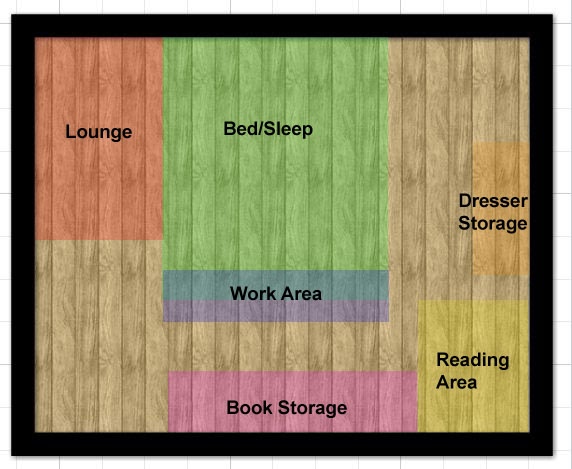
2. Determine the functionality of the room. Meaning, what would
you like the room to be used for? Is it a living room for entertaining but also
for working? A bedroom with an office space and a sitting area? Knowing how you
want the space to function will help you to consider the types of furniture you
are going to need to purchase.
3. Once you have determined how you want the space to function,
determine how you are going to section off the room. The room could have 2, 3 or
even 4 different sections. It all depends on how you would like to use the space.
4. Identify the focal wall.
In a bedroom it is typically the wall in which your bed will be against.
In a living room it would be the wall in which this is a fire place or where
the television would be.
 |
| The focal wall in this space is the wall with the bed. |
5. Once you have determined the focal wall and sectioned off
the space, determine the layout of the furniture. This will be your floor plan.
6. Determine the color scheme. Will it be a monochromatic white
room? Black and gold. White with pops of color? It’s all up to you. If you aren't sure of yourself you can always find inspirations from other rooms in which color scheme you love and use the Sherwin-Williams Chip it program at www.letschipit.com. Probably one of the greatest paint tool I've seen. Very innovative and takes away the guess work in color matching.
 |
| Here is an example of the Chip It tool used to color match this room's palette. |
7. Identify the windows in the room and determine how you will
dress them.
8. Decorate each section as though it were its own attraction.
For example: Let’s say you have a sitting area in the bedroom, focus on making
that section just as important as the main bed section. Decorate it as though
it were its own attraction.
9. Never
forget overhead lighting. Lighting can make a huge impact in a room although it's
often forgotten.
Once you have marked these off your check list, the designing clutter should be all swept out and organized. Good luck!